Why It Matters
Modern life rushes us to keep up, leaving little room for truly connecting with our inner world. Young designers and creators still crave a more authentic way to capture inspirations: one that unites emotions with creative impulses.
winter 2025
Design methods
Duration: 10 weeks
Joy Chen | Echo Zhou | Esther Zhou
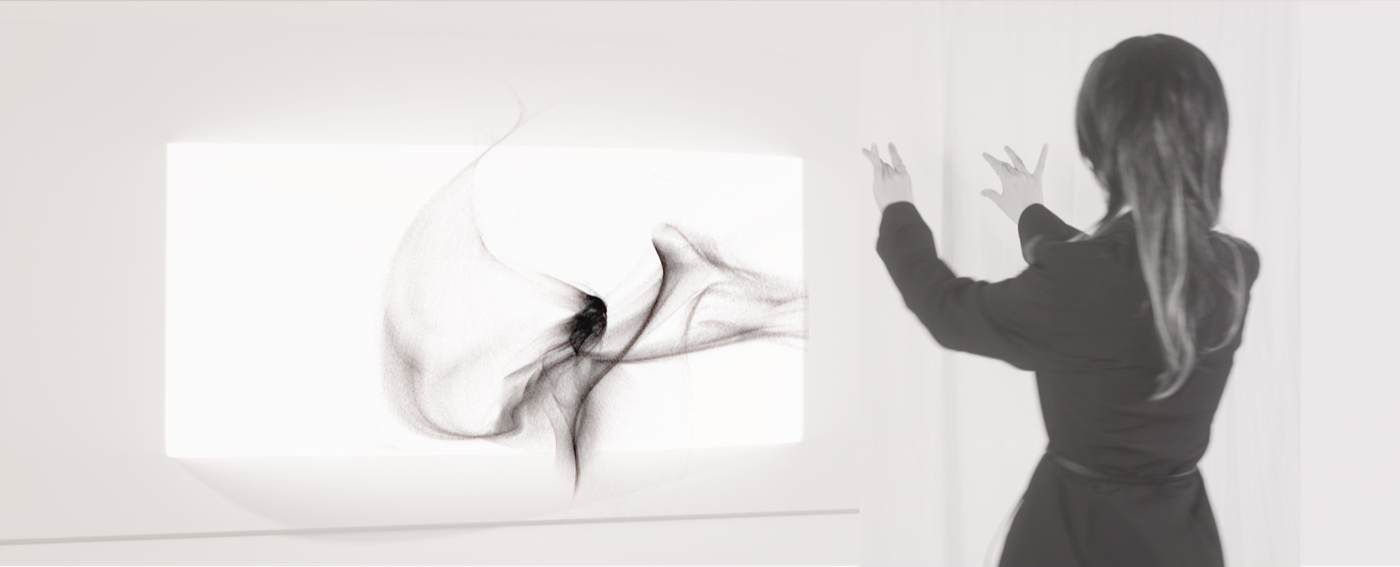
Inspired by synesthesia, our cross-platform creation tool transforms fleeting emotions into resonant audiovisual outputs. Harness music, movement, and real-time interaction to unlock a playful, deeply personal flow state.
Experience a new realm of expression that sparks your inner artist.
Modern life rushes us to keep up, leaving little room for truly connecting with our inner world. Young designers and creators still crave a more authentic way to capture inspirations: one that unites emotions with creative impulses.
In a world that moves too fast to feel deeply, we reclaim creativity as a ritual of connection. Soundrift visualizes feelings through sound, color, and movement, bridging inner experience with bold external expression.

AI-curated audio journeys tailored to your goals. Let shuffle mode collide unrelated clips into unexpected sparks, or input music to generate visuals that mirror your soul's frequency.

Shape audiovisual landscapes in real time using gesture controls. Your body becomes the brush, music the canvas, and movement becomes a way to externalize feeling.
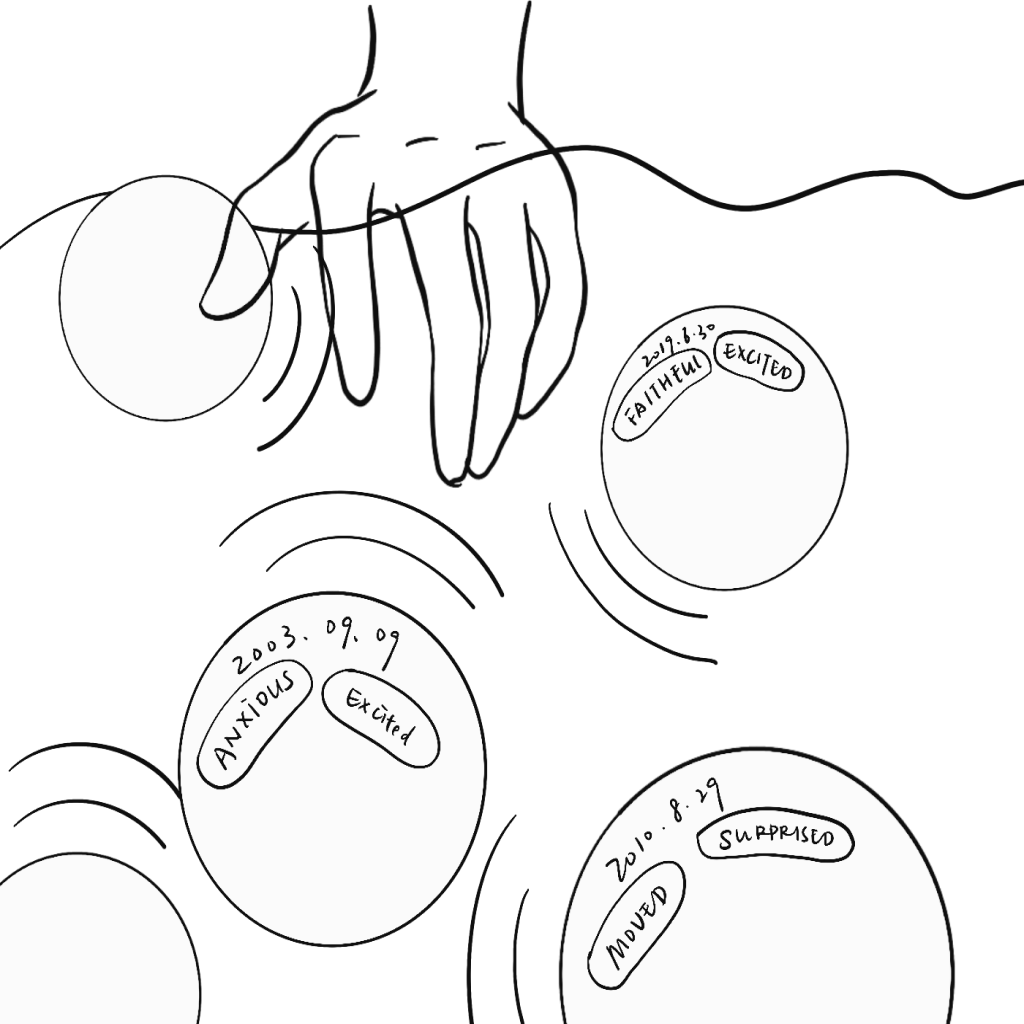
Gamify the process: revisit past creations as interactive puzzles, refine raw ideas into polished outputs, and let AI organize sonic fragments into inspiration maps.
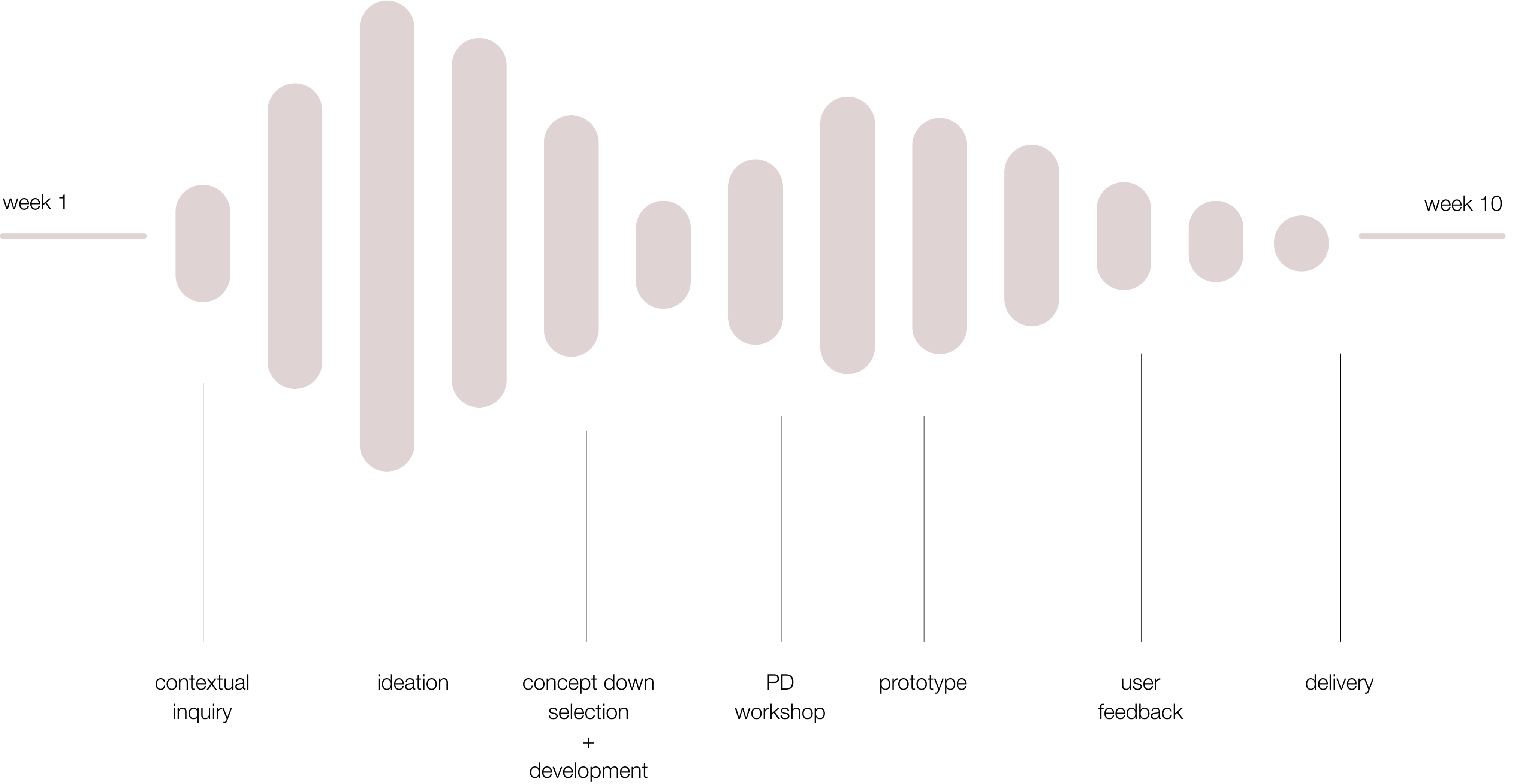
To understand how creatives seek, process, and capture inspiration, we conducted contextual inquiries through user interviews, stakeholder analysis, mind mapping, and persona-building.
Through 4 one-on-one interviews with individuals from diverse backgrounds, we explored their personal relationships with sound, emotional needs, and how they currently interact with music-based tools.
Many users found it challenging to capture creative sparks when they occurred, often struggling to document them in a way that felt natural.
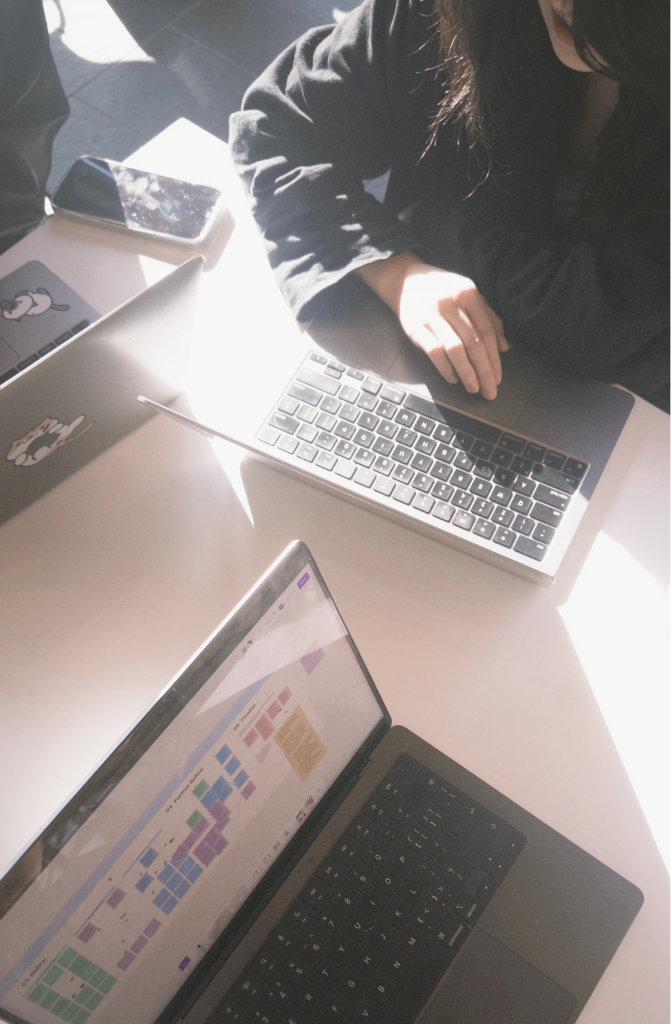
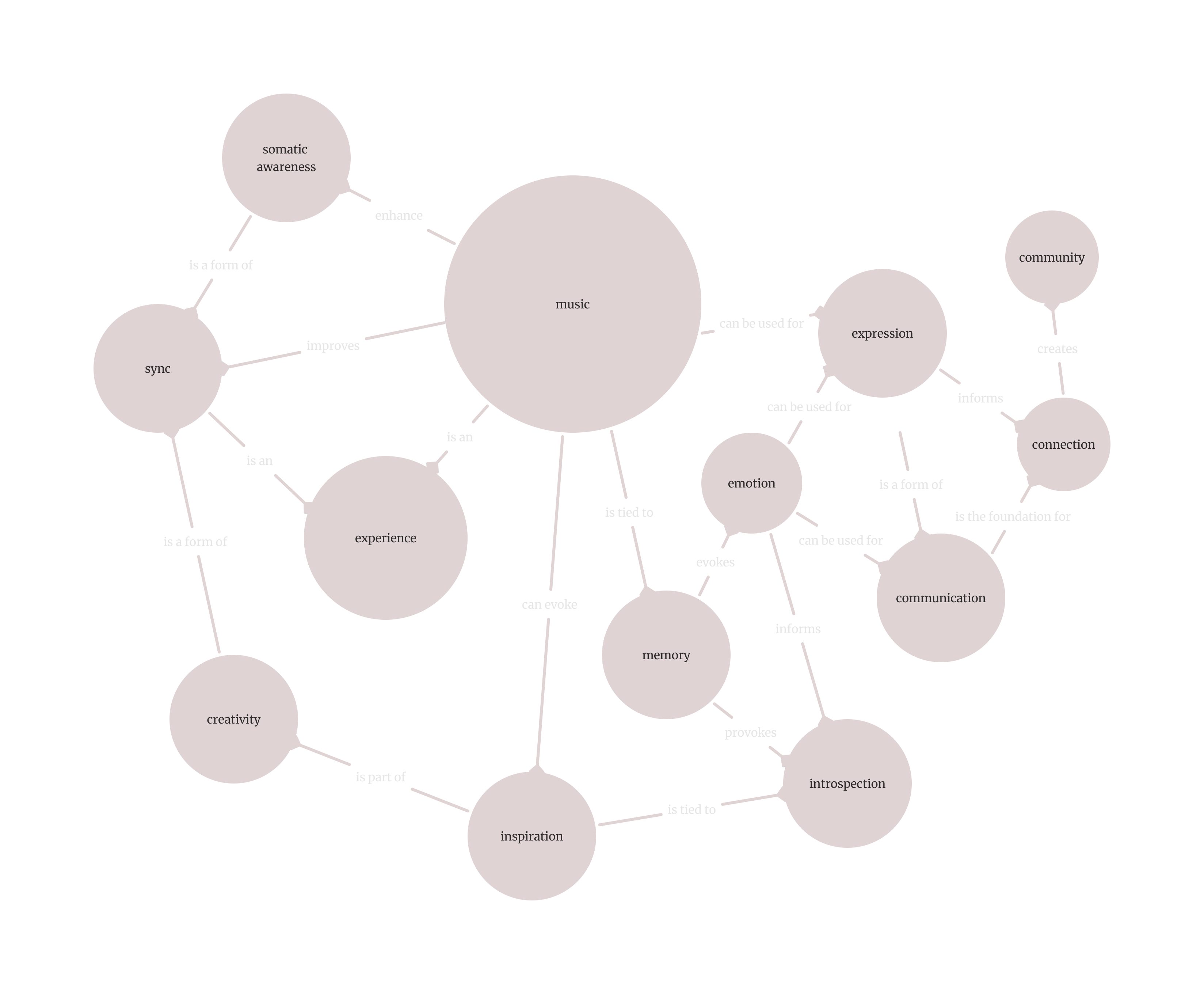
The mind map allowed us to break down abstract ideas into tangible design opportunities. We explored how music could trigger emotions and memories, how movement could influence creativity, and how visuals could enhance the auditory experience.
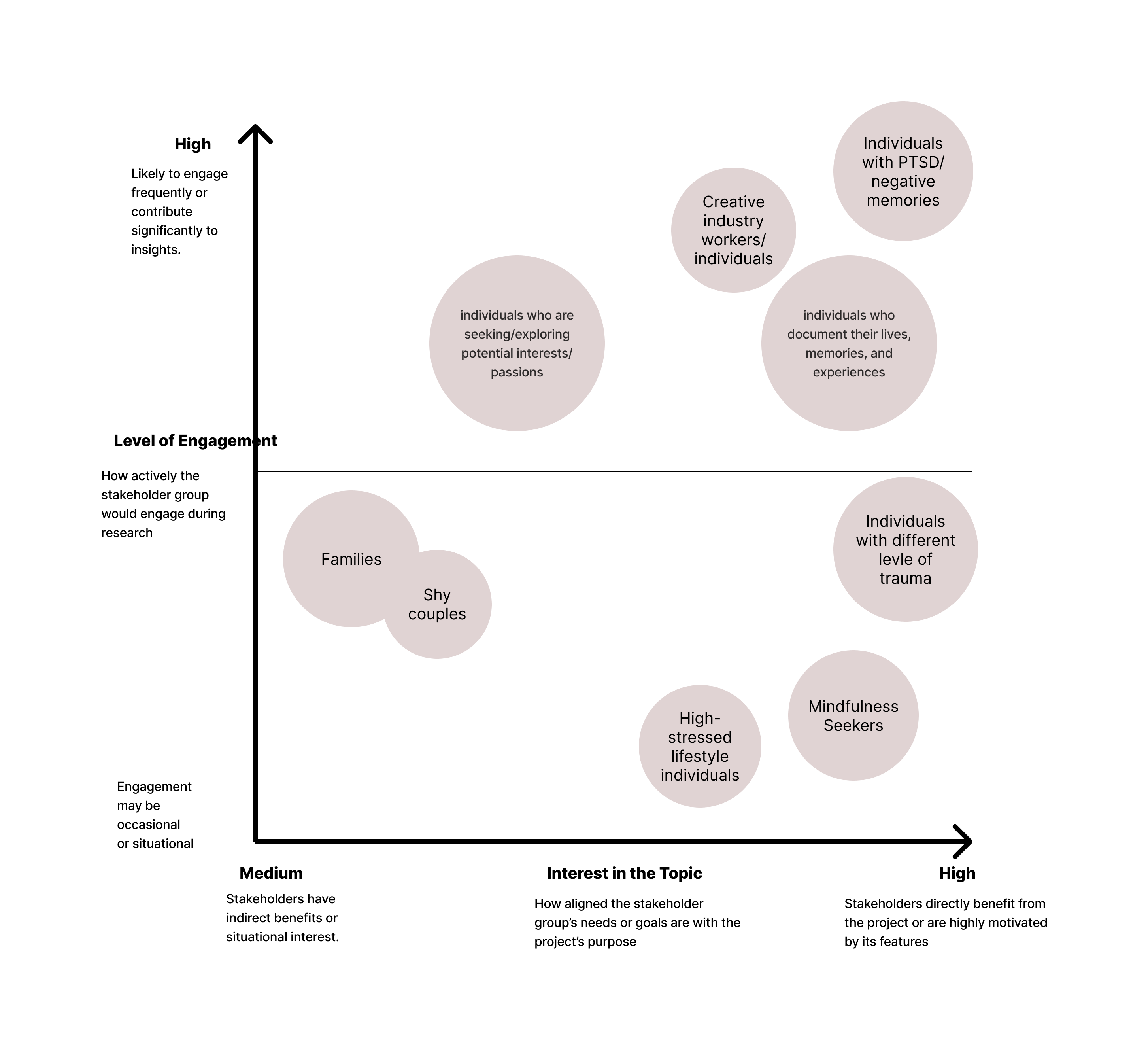
We identified key stakeholders, including individuals seeking emotional healing, creatives in search of inspiration, and mindfulness practitioners who use music as a sensory tool for reflection.
Through these approaches, we found that...
Music serves multiple roles in our lives, acting as a tool for syncing, expression, and memory. It helps individuals align with body, emotion, awareness, and self-reflection.
How might we create an immersive sound-based environment for young adults who want to explore and re-organize their memories in a more playful and intuitive way...
so that they can gain fresh perspectives on self-growth, foster healing and empowerment, and spark creativity?
Building from contextual inquiry, we explored how sound, movement, and memory could become a creation system rather than a passive media experience. Early concepts centered on embodied control, ambient projection, and playful ways to revisit fragments of inspiration.
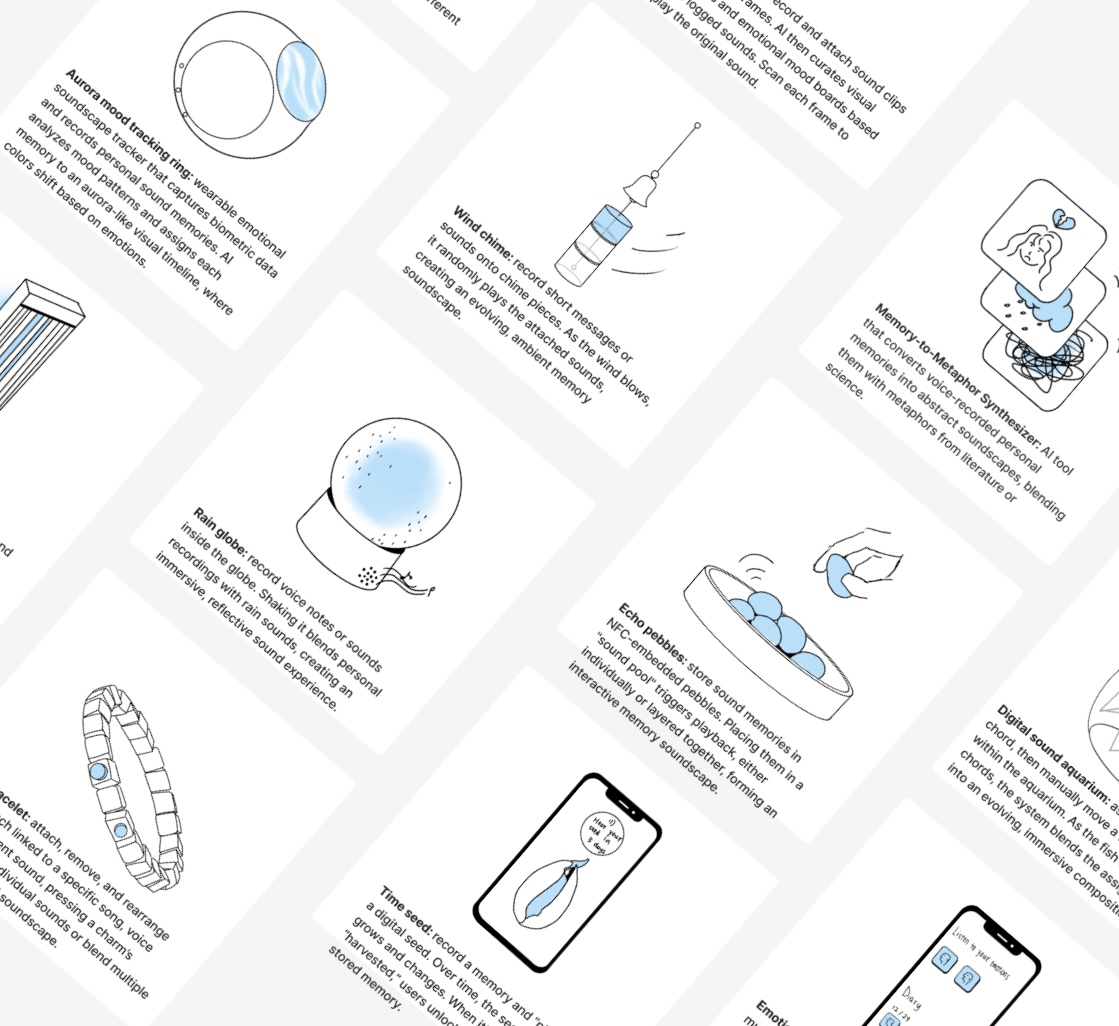
We narrowed the concept toward a hybrid system: a mobile input layer for collecting moods, memories, and sound references, paired with a lamp-based projection output that could transform those inputs into ambient audiovisual experiences.
The direction prioritized low-friction creative flow. Instead of asking users to build from scratch, Soundrift gives them a sensory starting point: a sound, a gesture, a visual trace, or a memory fragment that can be remixed over time.
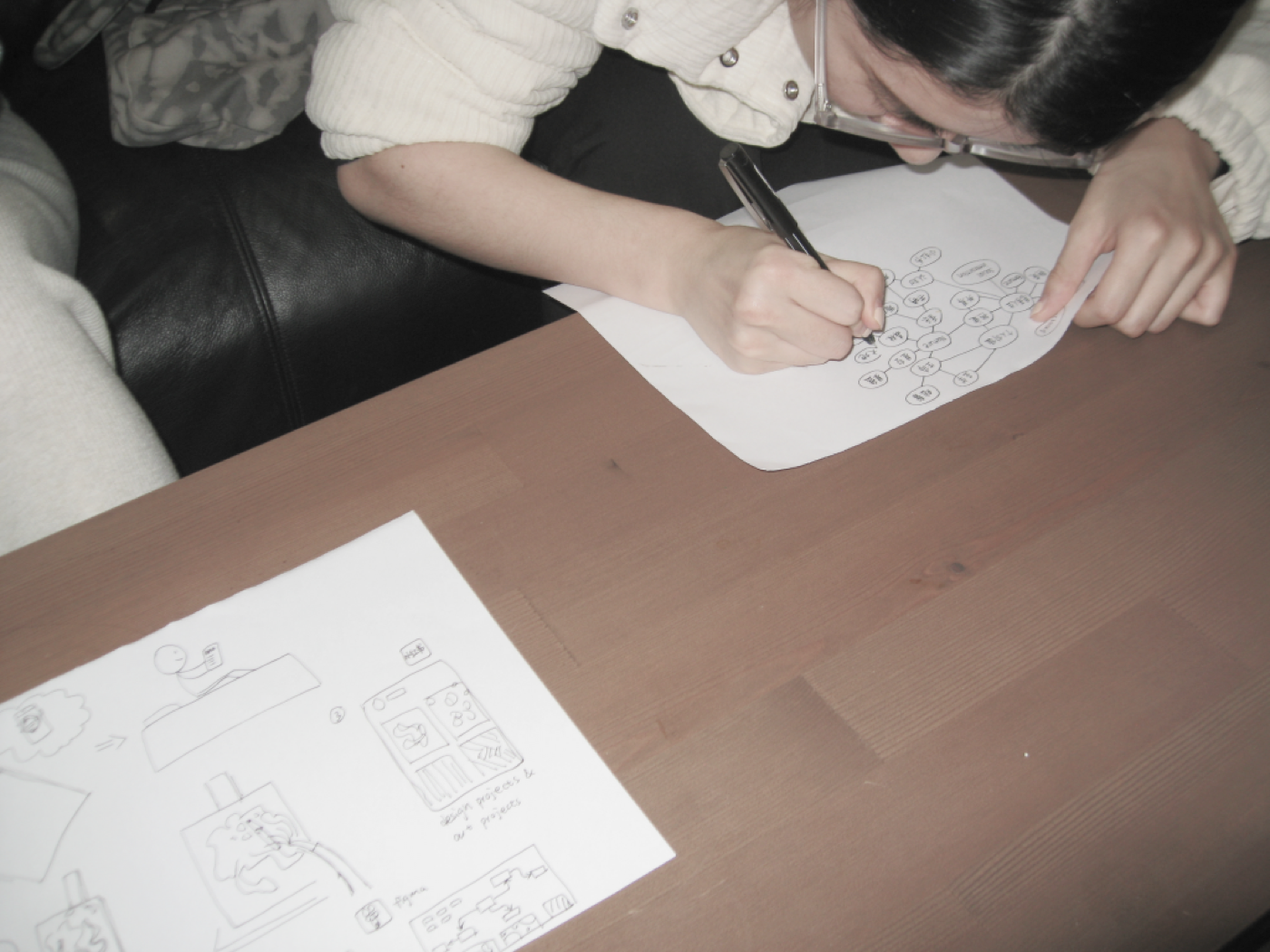
Our Participatory Design (PD) Workshop was structured into three key parts: Telling, Making, and Enacting. This workshop provided valuable insights into user behaviors, preferences, and expectations, guiding further development.
01 Telling
Storytelling, card sorting, and mind mapping revealed how sensory impressions become emotional creative triggers, especially when interaction stays spontaneous and hands-free.
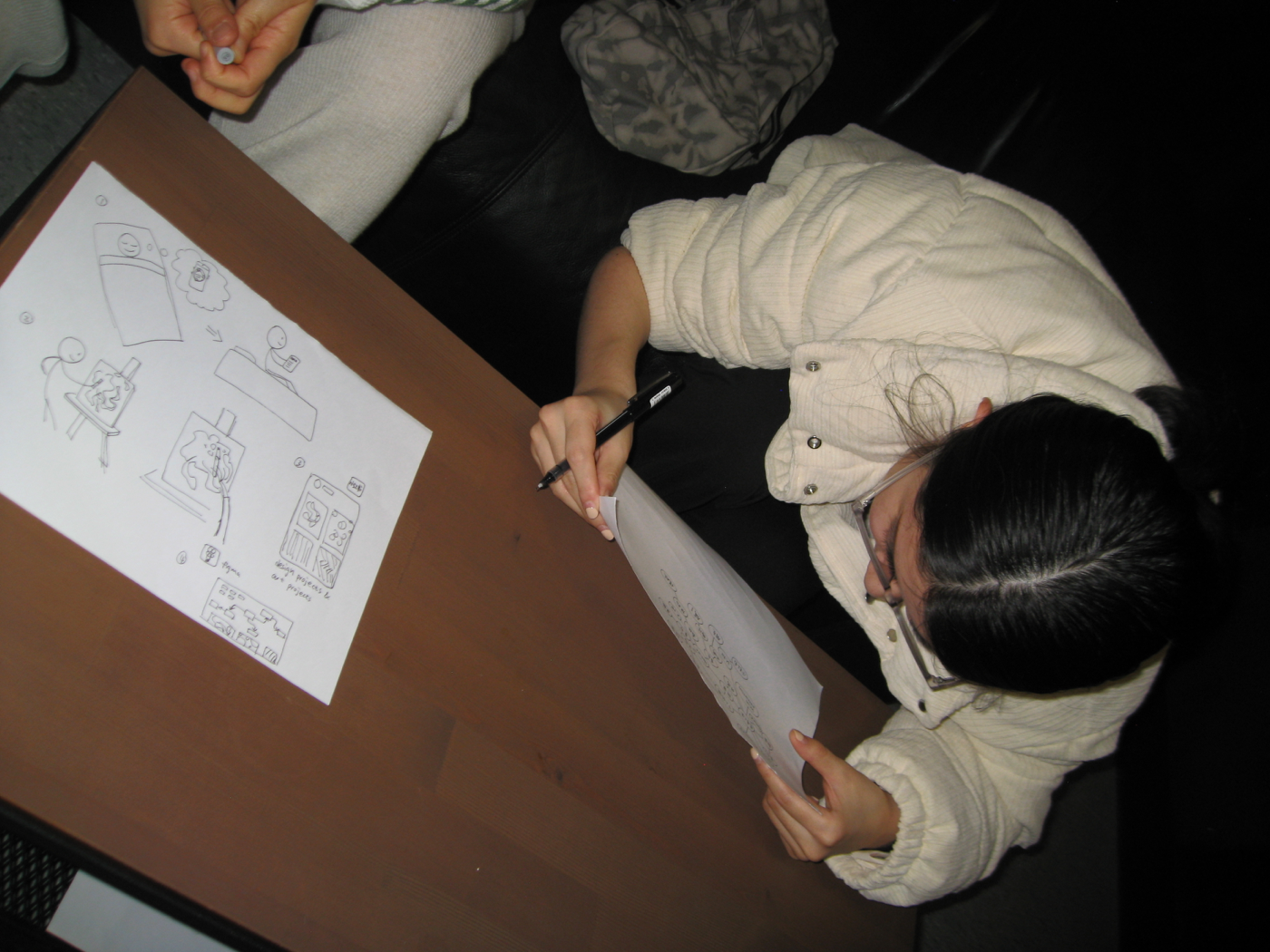
02 Making
Sketching and feature prioritization surfaced core desires around sound-based mood tracking, real-time annotation, and adaptive systems informed by memory data.
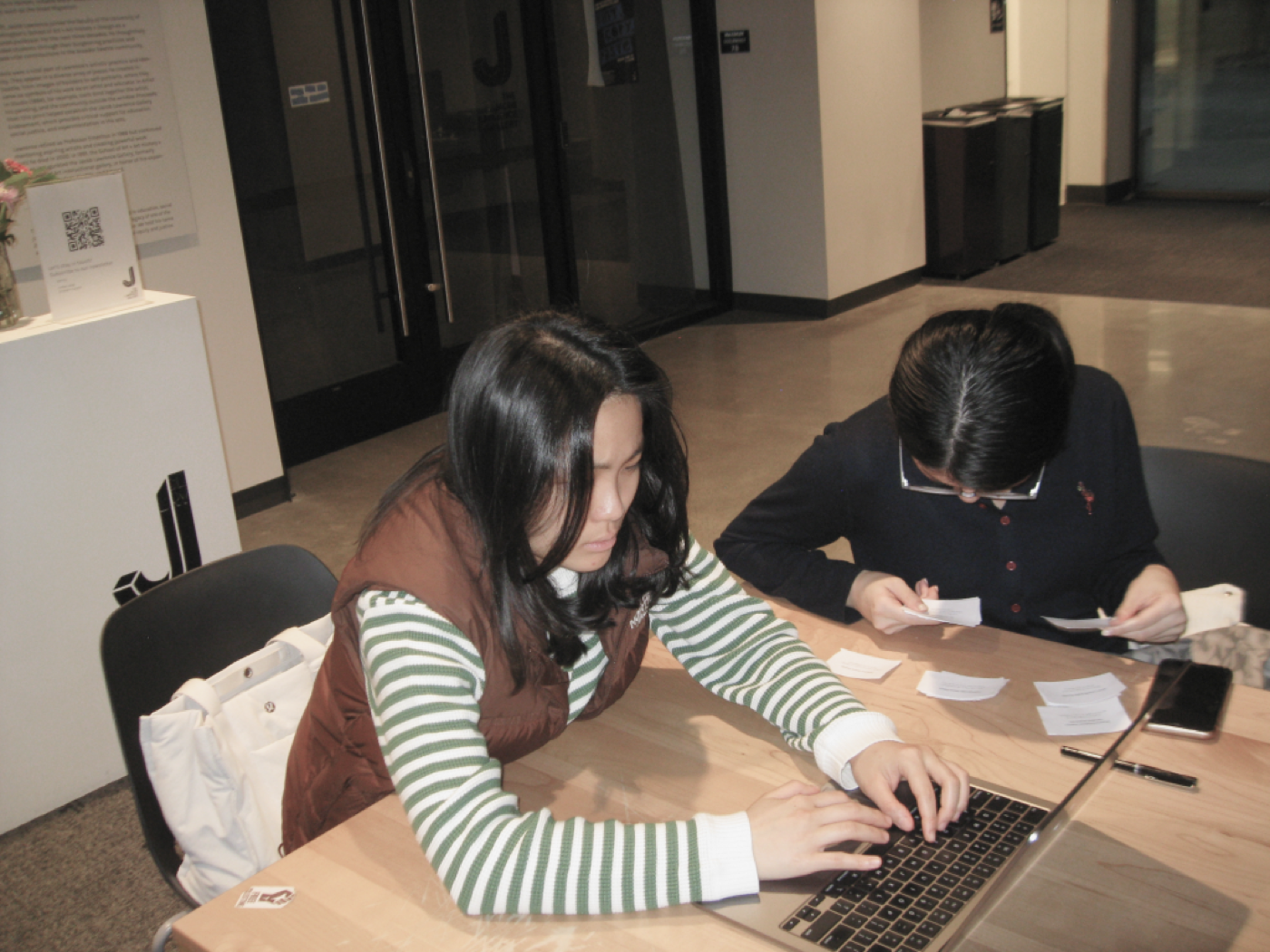
03 Enacting
Bodystorming and laser-pointer prototypes showed a preference for ambient, sensory-rich interaction that reduces screen reliance while preserving creative agency.
Our findings emphasized the value of adaptive, hands-free interactions that respond to users' physical and emotional states. Participants envisioned a seamless experience, projectors embedded in everyday objects like lamps or rings, enabling them to engage without active input. They sought a balance between randomness and control, allowing for both spontaneous discovery and intentional creation.
Building on these insights, our next step is to design a more intuitive, embodied system, integrating wearable controls and ambient projection. By blending adaptive randomness with structured interaction, we aim to support creative flow without disrupting it.
revised: How might we transform memory exploration into an interactive sound experience that enables young adults to access creative flow and find new connections in their personal narratives?
To translate research insights into interaction design, we built a low-fidelity prototype integrating app input and ambient lamp projection. The system allows users to interact with sound through intuitive gestures and mood-responsive behaviors.
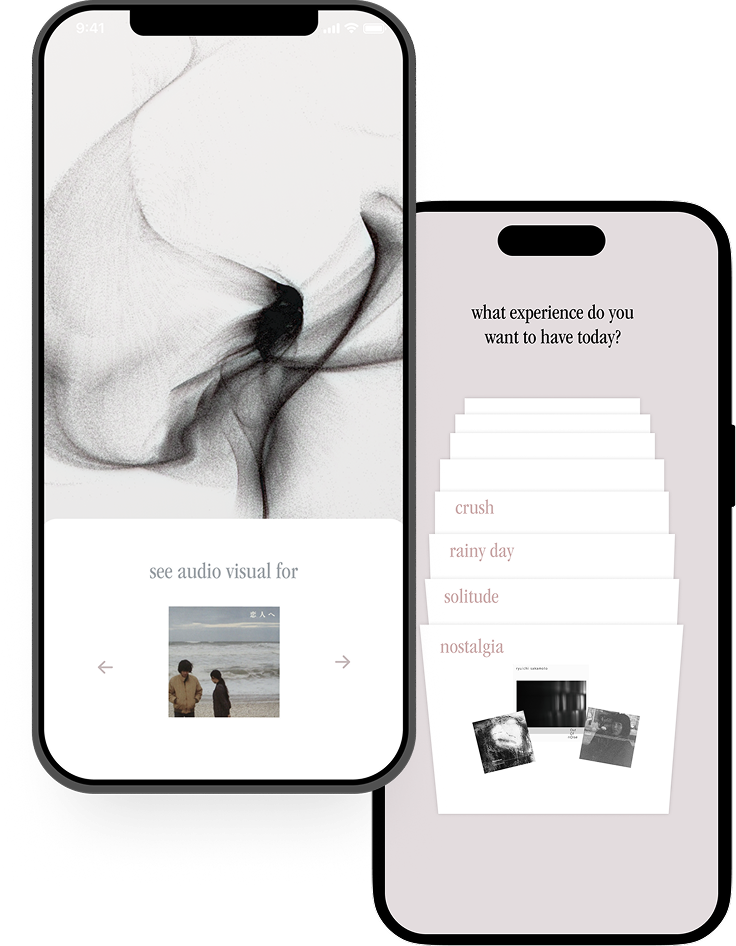
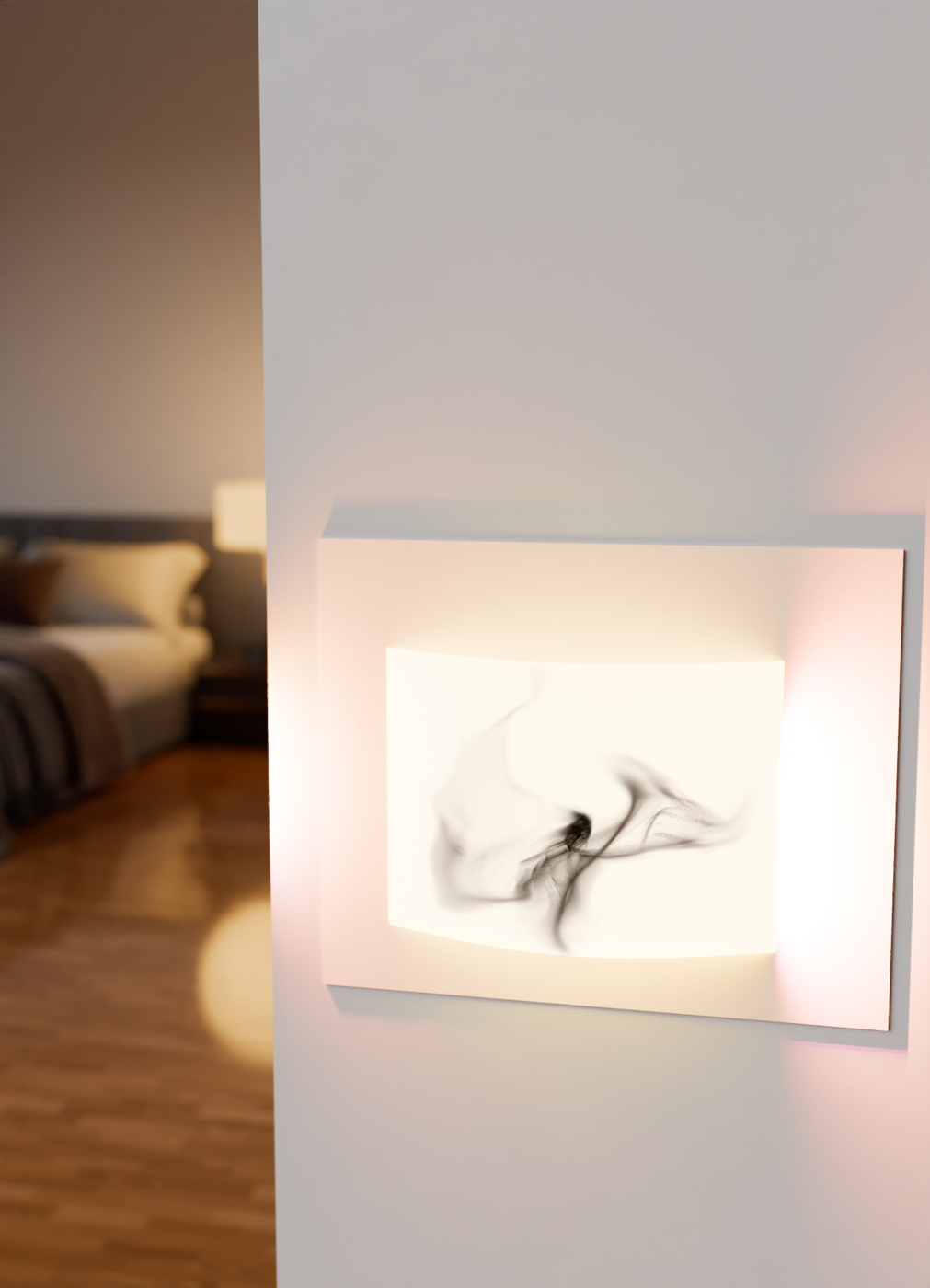
Participants engaged with the prototype by testing gesture-based controls, interacting with projected visuals, and exploring the integration of sound and memory. We gathered insights through structured prompts, focusing on interaction intuitiveness, long-term engagement, and areas for refinement.
They shared feedback on the physical design of the lamp, preferred visual aesthetics, and concerns around gesture fatigue. They also reflected on the usefulness of AI-assisted organization and discussed how this system could support their daily creative practices.
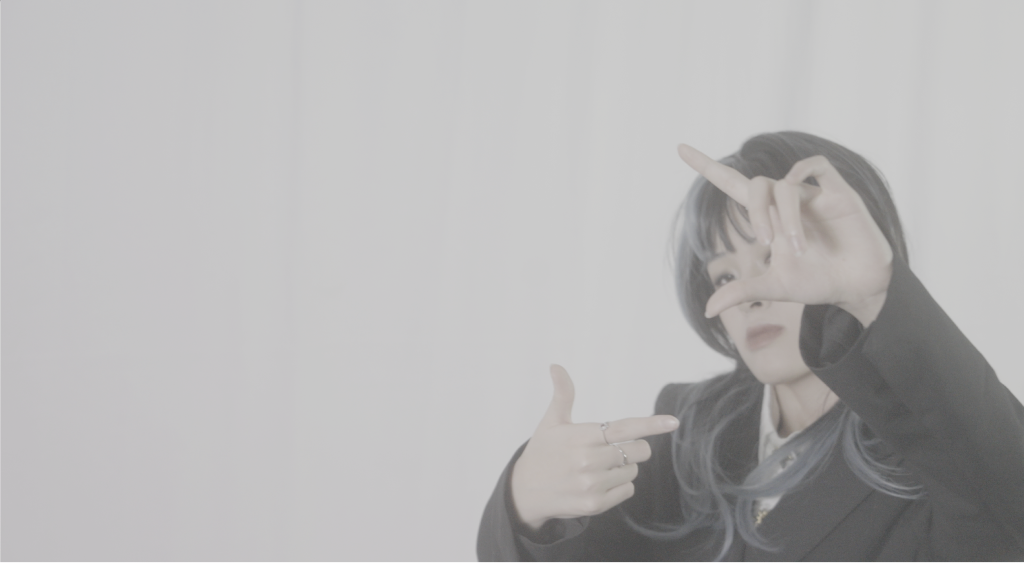
Usability testing validated the core value of our audiovisual lamp concept. Participants found it effective for capturing fleeting inspiration and facilitating creative reflection. The projector-based interface particularly resonated, users appreciated the ability to revisit memory traces in a re-playable, non-linear format, often sparking unexpected creative connections. They also valued the abstract, ambient visuals for leaving space for personal interpretation instead of enforcing fixed meanings.
Moving forward, we aim to enhance personalization and long-term engagement. We'll scale up the lamp's size and projection range for greater immersion, and offer customizable textures and color palettes to support mood-driven use. Gesture controls will be refined for intuitive one-handed operation, and onboarding will be redesigned with in-lamp visual cues to ensure a low learning curve.

01 Mark
the Frame You like
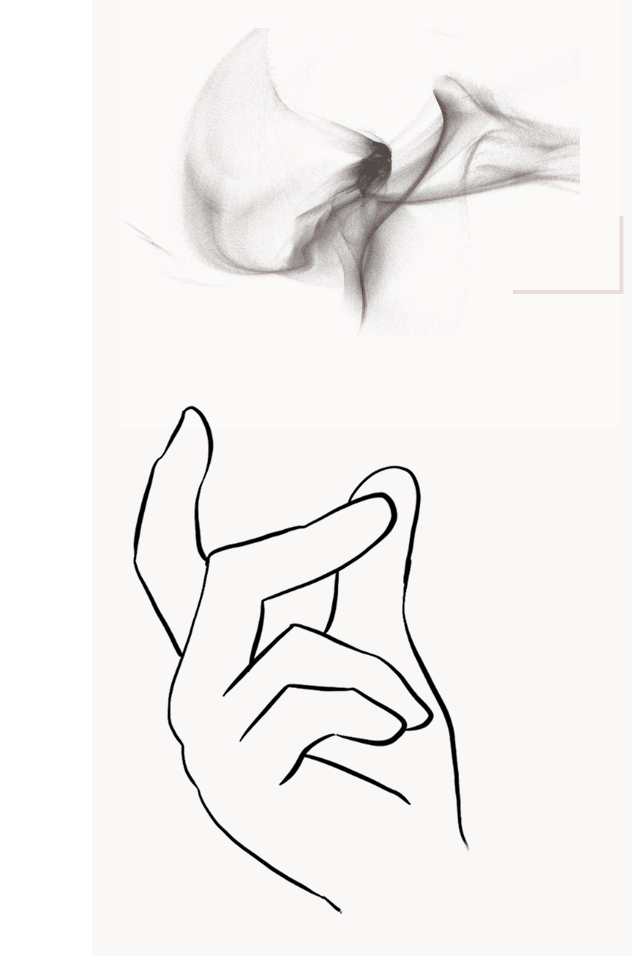
02 Change
Movements of visual

03 Change
colors shift music
Many thanks to the participants for their openness and thoughtful feedback throughout the design process.
Special thanks to professor Bridget Weis, TA Li-yuan Chiou, and the design students for their valuable critiques.
We also thank Sam Lewis for contributions during the contextual inquiry and ideation stage.
Next Project